
One conversion platform, six places it pays off
Wherever electricity is converted from one form to another, SDPC loses less of it. These are the applications Vensum Power designs for today.
AI data centres
Access to power has become the main bottleneck in AI data centres. Every watt lost in conversion is a watt not available for computing, and it turns into heat that has to be cooled. Near-lossless conversion holds efficiency at peak even as AI workloads fluctuate, turning constrained power capacity into more usable compute.
EV charging
The electrification of transport is one of the largest new loads on the grid, and one of the most variable. Vensum converters work with both distributed and centralised power architectures, and their compact size makes them easy to integrate into new and existing infrastructure. Higher conversion efficiency means smaller losses and lower operating costs for charging operators.

Energy storage
Energy is converted every time it is stored and released. Near-lossless conversion means more usable energy from every charge cycle, faster charging and discharging, and less heat to manage. Compact converters also suit space-limited and weight-sensitive systems, from mobile storage on EVs to off-grid sites.
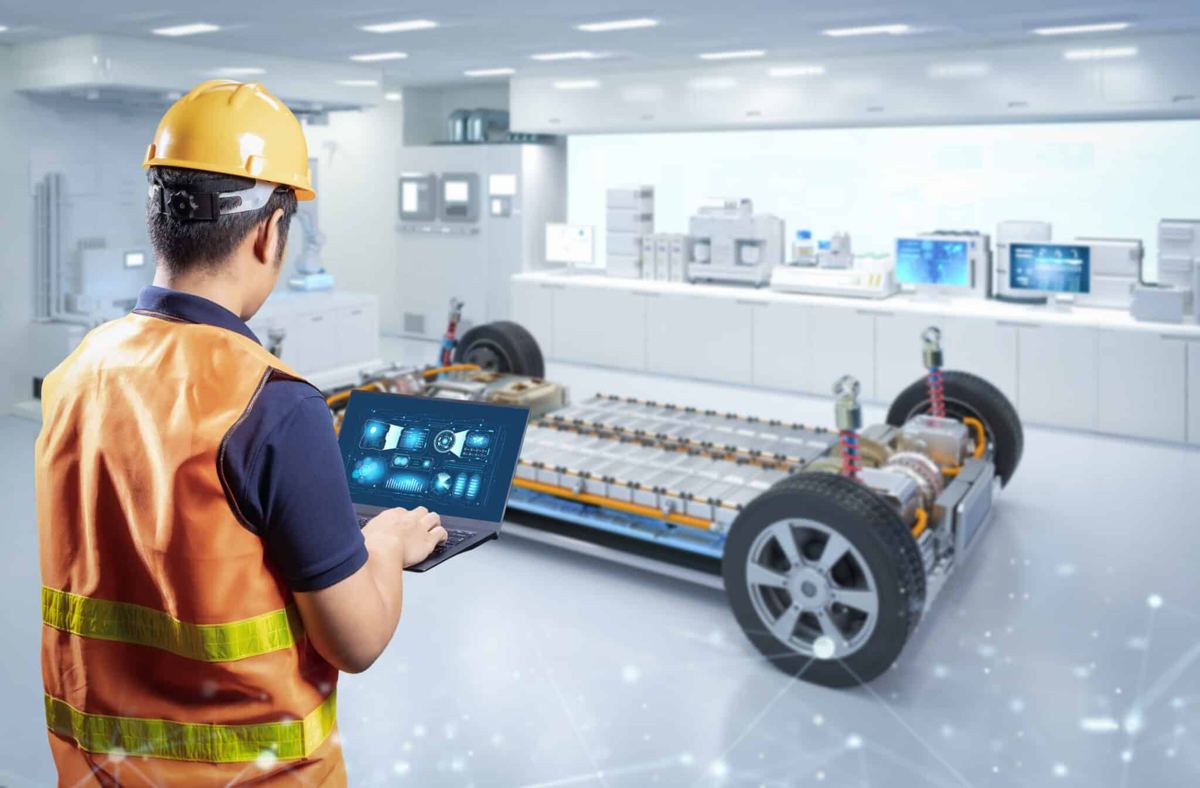
Renewable energy
More efficient converters capture more of the energy produced by wind turbines and solar panels. In large systems, even small efficiency gains add up to meaningful increases in delivered output; in small ones, compact and lightweight converters keep weight down.
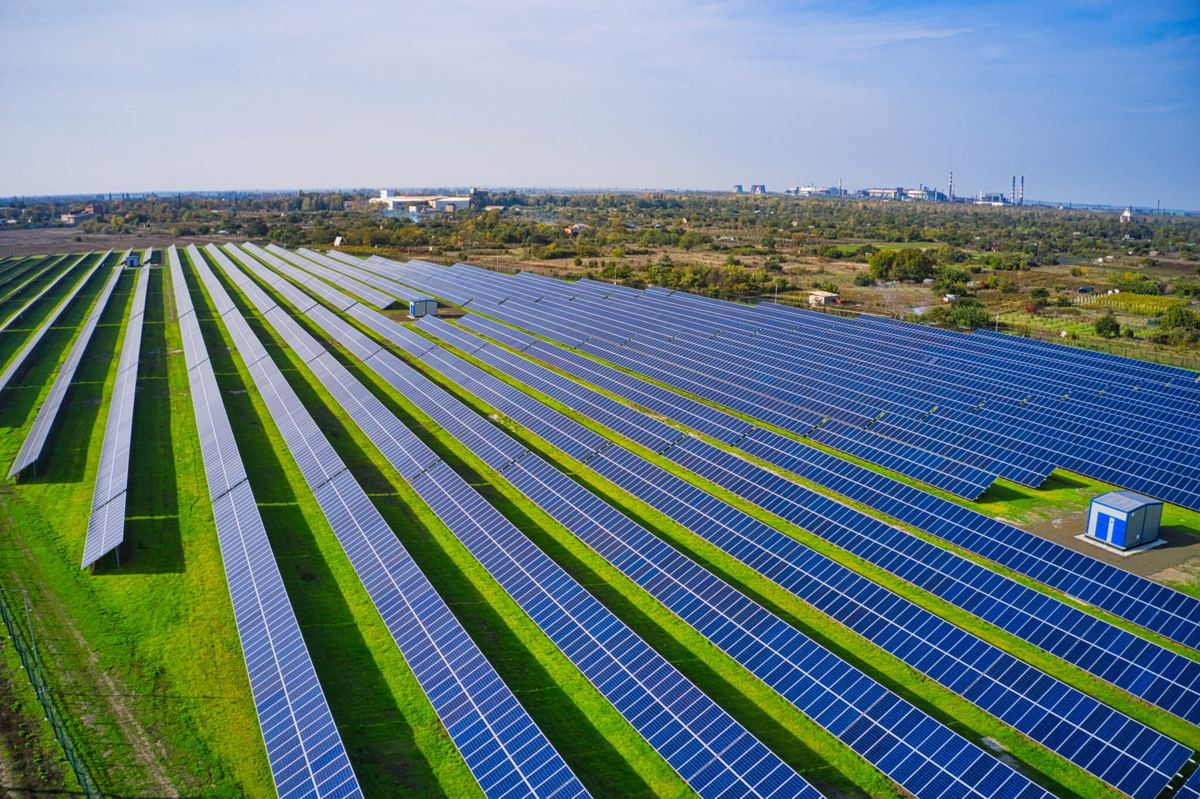
DC microgrids
Higher efficiency with renewable energy, the ability to recover and store energy, and intelligent control of energy flows. Less copper, a smaller equipment footprint and lower equipment cost.
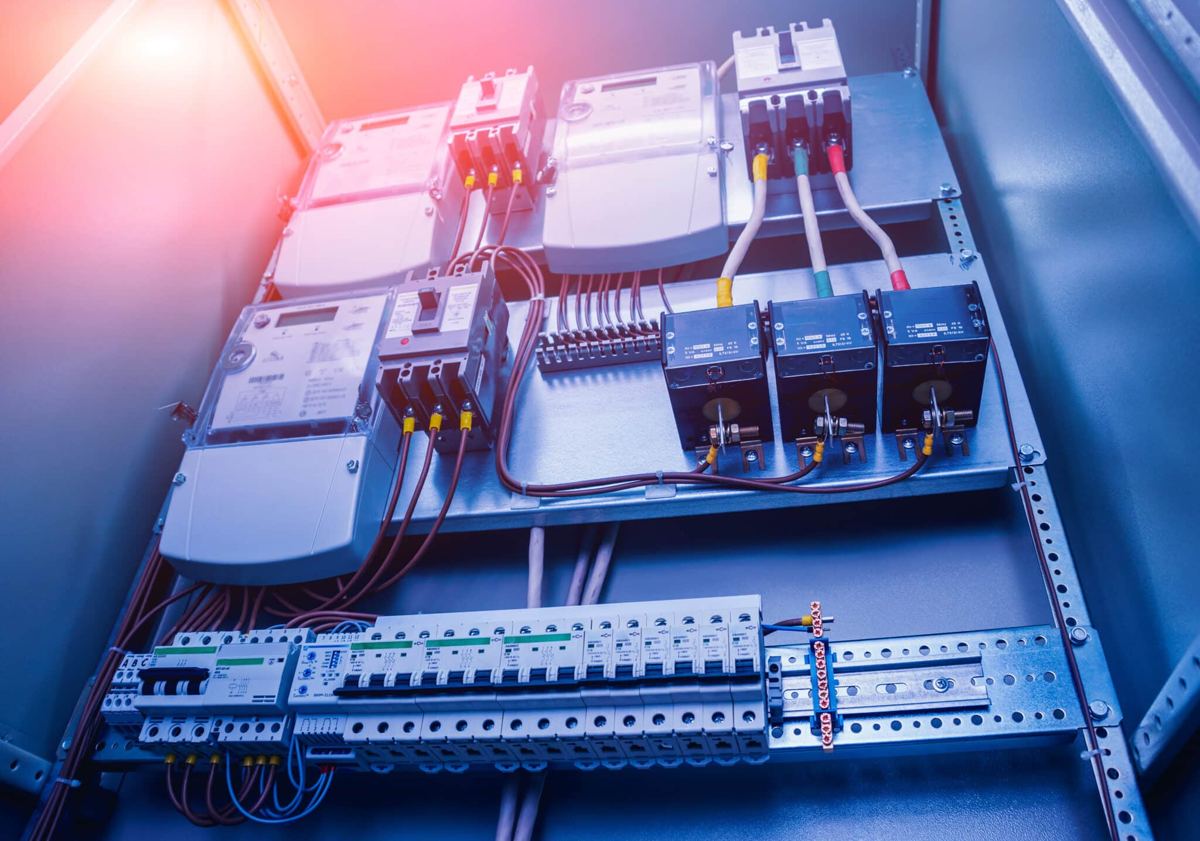
Testbeds
Small and efficient converters suit new application testbeds, with flexibility for various testing scenarios and precise voltage or current regulation.